

'%3e%3cpath%20d='M25.1976%2012.59C25.1975%2012.1028%2024.8019%2011.7082%2024.3147%2011.7082H22.8859V17.0003H24.3147C24.8018%2017.0003%2025.1974%2016.6056%2025.1976%2016.1185V12.59ZM21.3809%2025.1875C21.3063%2025.6842%2021.1671%2026.3055%2020.8898%2026.9341C20.6669%2027.4394%2020.3506%2027.9577%2019.91%2028.4209H28.3479C28.26%2028.2158%2028.0976%2028.0457%2027.8842%2027.9549L21.3809%2025.1875ZM19.9488%2023.1504C18.8486%2023.8734%2017.4983%2024.2954%2015.9999%2024.2954C14.5014%2024.2954%2013.1512%2023.8734%2012.051%2023.1504V24.1108C12.0508%2024.1164%2012.05%2024.1272%2012.0498%2024.1416C12.0496%2024.1703%2012.0504%2024.2155%2012.0521%2024.2749C12.0555%2024.3949%2012.0653%2024.5712%2012.0909%2024.7842C12.1426%2025.2142%2012.2556%2025.7737%2012.4976%2026.3223C12.7384%2026.8681%2013.097%2027.3841%2013.6312%2027.7646C14.1595%2028.1409%2014.9101%2028.4209%2015.9999%2028.4209C17.0893%2028.4209%2017.8392%2028.1407%2018.3674%2027.7646C18.9017%2027.3841%2019.2613%2026.8682%2019.5022%2026.3223C19.7441%2025.7737%2019.8572%2025.2142%2019.9089%2024.7842C19.9345%2024.5712%2019.9442%2024.3949%2019.9476%2024.2749C19.9493%2024.2155%2019.9501%2024.1703%2019.9499%2024.1416C19.9498%2024.1272%2019.9489%2024.1164%2019.9488%2024.1108V23.1504ZM4.1156%2027.9549C3.90199%2028.0458%203.73858%2028.2156%203.65075%2028.4209H12.0897C11.6491%2027.9577%2011.3329%2027.4394%2011.1099%2026.9341C10.8326%2026.3054%2010.6923%2025.6843%2010.6177%2025.1875L4.1156%2027.9549ZM19.2401%208.08626C18.8123%208.11465%2018.3458%208.28928%2017.7784%208.51465C17.2864%208.71004%2016.6174%208.99202%2015.9999%208.99202C15.6699%208.99202%2015.3451%208.91604%2015.0599%208.82796C14.7732%208.7394%2014.475%208.62204%2014.2043%208.51693C13.6252%208.29209%2013.1414%208.11501%2012.7004%208.08626C12.3167%208.06133%2011.9902%208.14932%2011.6716%208.49414C11.3177%208.87729%2010.9321%209.62539%2010.6302%2011.0348V17.6862L10.6371%2017.946C10.7695%2020.6214%2012.9404%2022.779%2015.9999%2022.779C18.4953%2022.779%2020.3977%2021.3431%2021.087%2019.3621L20.6221%2019.6732C19.8686%2020.1755%2018.9837%2020.4445%2018.078%2020.4445H16.6903C16.2716%2020.4443%2015.9327%2020.1044%2015.9327%2019.6857C15.9328%2019.2671%2016.2717%2018.9282%2016.6903%2018.9281H18.078C18.6841%2018.928%2019.2769%2018.7483%2019.7813%2018.4119L21.3695%2017.3524V11.0474C21.0303%209.64008%2020.6287%208.88727%2020.2644%208.4987C19.934%208.1464%2019.6083%208.06191%2019.2401%208.08626ZM15.9999%203.5791C13.1424%203.5791%2011.4234%204.40787%2010.399%205.61051C9.43505%206.74212%208.98489%208.32131%208.92126%2010.1917H9.27103C9.58683%208.94992%2010.0093%208.05862%2010.5573%207.46533C11.2312%206.73585%2012.0287%206.52299%2012.7995%206.57324C13.5133%206.61979%2014.216%206.89434%2014.7535%207.10303C15.0408%207.21459%2015.2834%207.30946%2015.5077%207.37874C15.7337%207.44854%2015.8908%207.47559%2015.9999%207.47559C16.2604%207.47558%2016.6193%207.34345%2017.2189%207.10531C17.743%206.89718%2018.4331%206.62013%2019.1398%206.57324C19.9061%206.52253%2020.6936%206.73986%2021.3706%207.46191C21.9246%208.05276%2022.3673%208.94317%2022.715%2010.1917H23.0785C23.0149%208.32132%2022.5647%206.74212%2021.6008%205.61051C20.5763%204.40787%2018.8574%203.5791%2015.9999%203.5791ZM6.80212%2016.1185C6.80232%2016.6056%207.19796%2017.0003%207.6851%2017.0003H9.11381V11.7082H7.6851C7.19792%2011.7082%206.80224%2012.1029%206.80212%2012.59V16.1185ZM26.7141%2016.1185C26.7139%2017.4432%2025.6395%2018.5168%2024.3147%2018.5168H22.8324C22.6813%2019.7388%2022.2%2020.8529%2021.4652%2021.7707V23.5754L28.4766%2026.5592H28.4777C29.3628%2026.9357%2029.9381%2027.8055%2029.9384%2028.7673V29.1797C29.9383%2029.3805%2029.8581%2029.573%2029.7162%2029.7152C29.574%2029.8574%2029.3807%2029.9373%2029.1796%2029.9373H2.82019C2.61905%2029.9373%202.42578%2029.8574%202.28357%2029.7152C2.14169%2029.573%202.06145%2029.3805%202.0614%2029.1797V28.7673C2.06156%2027.8055%202.63706%2026.9358%203.52201%2026.5592L10.5345%2023.5754V21.7707C9.79971%2020.8529%209.31848%2019.7388%209.16735%2018.5168H7.6851C6.36036%2018.5168%205.28589%2017.4433%205.28568%2016.1185V12.59C5.28579%2011.3607%206.21075%2010.3474%207.40254%2010.2077C7.46433%208.11849%207.96257%206.13006%209.24369%204.62614C10.6381%202.98929%2012.8418%202.06152%2015.9999%202.06152C19.158%202.06153%2021.3617%202.98929%2022.7561%204.62614C24.0372%206.13005%2024.5343%208.1185%2024.5961%2010.2077C25.7884%2010.3469%2026.714%2011.3604%2026.7141%2012.59V16.1185Z'%20fill='black'/%3e%3c/g%3e%3cdefs%3e%3cclipPath%20id='clip0_6001_125'%3e%3crect%20width='28'%20height='28'%20fill='white'%20transform='translate(2%202)'/%3e%3c/clipPath%3e%3c/defs%3e%3c/svg%3e)
+91-997 997 2245
RegisterLogIn
Type of Property
Where are you going?
Shooting Date
Type of Location
What's your Project
Map
 Filters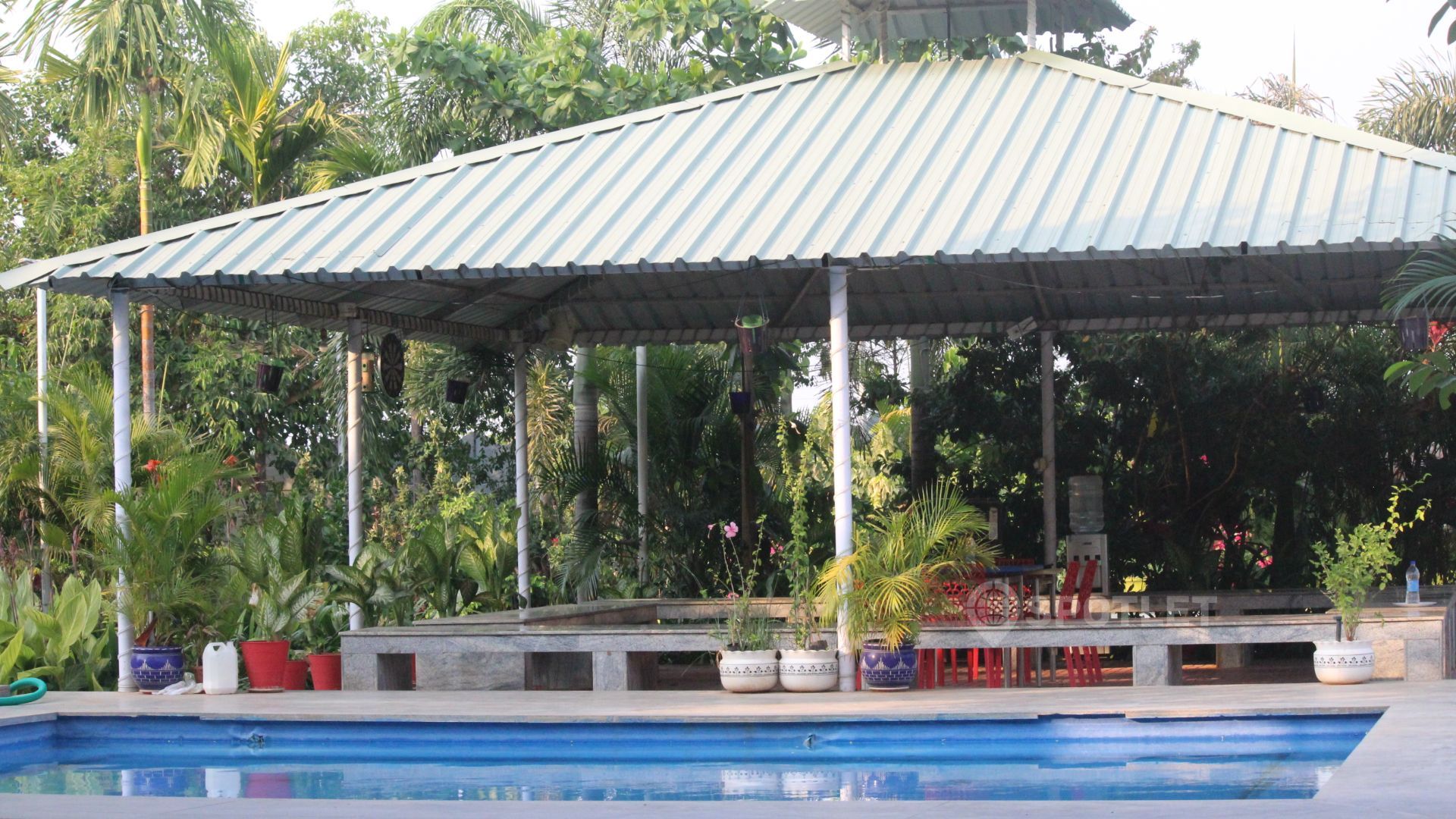
Highly Recommended


Function Hall
2.235k Views
RIPPLEZ Events Space
Gandiguda, Hyderabad, TelanganaCrew Capacity: 100
 Parking: 50 Cars
 Free Cancellation Until 5 Days
 INR. /
Highly Recommended
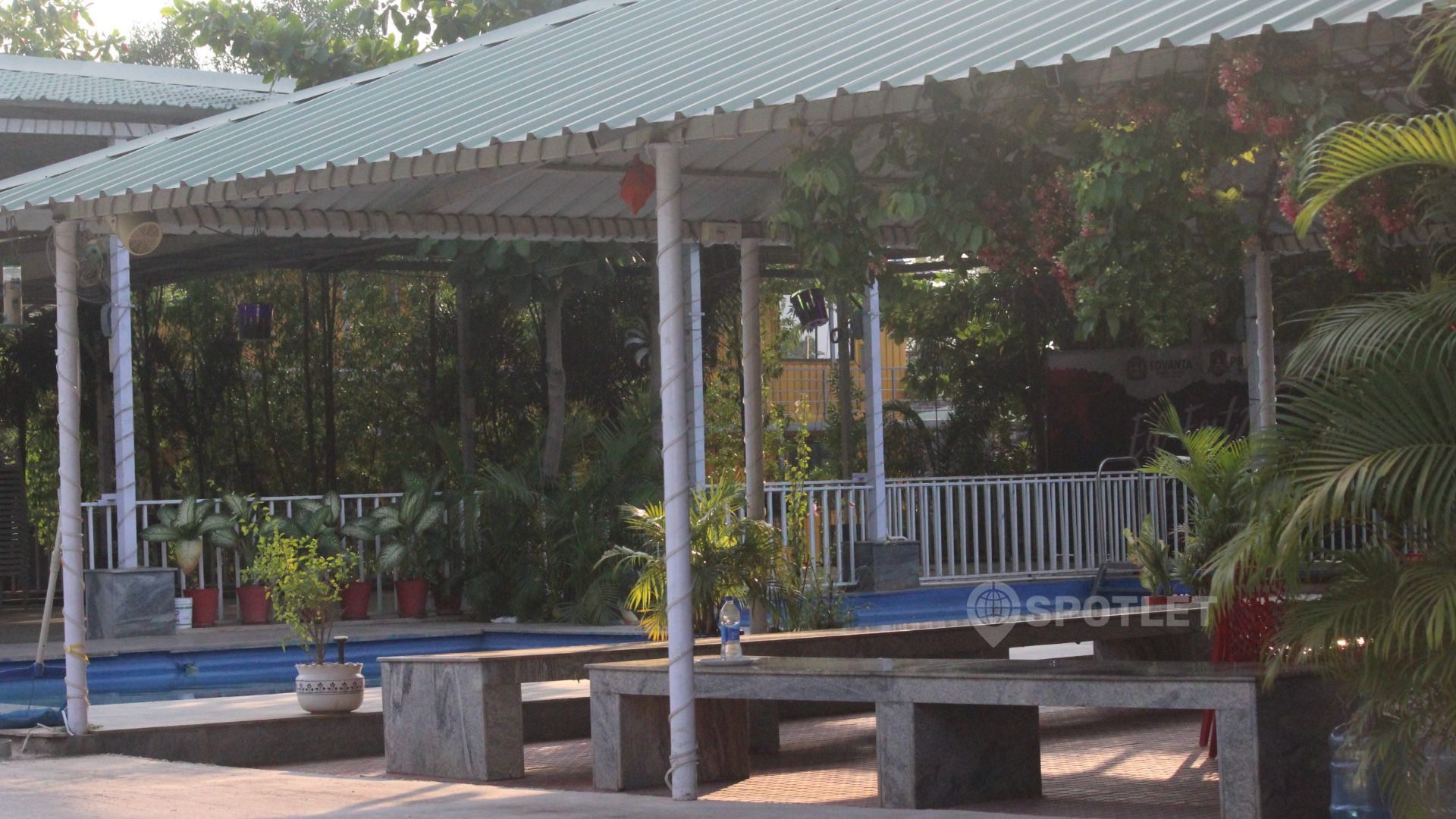
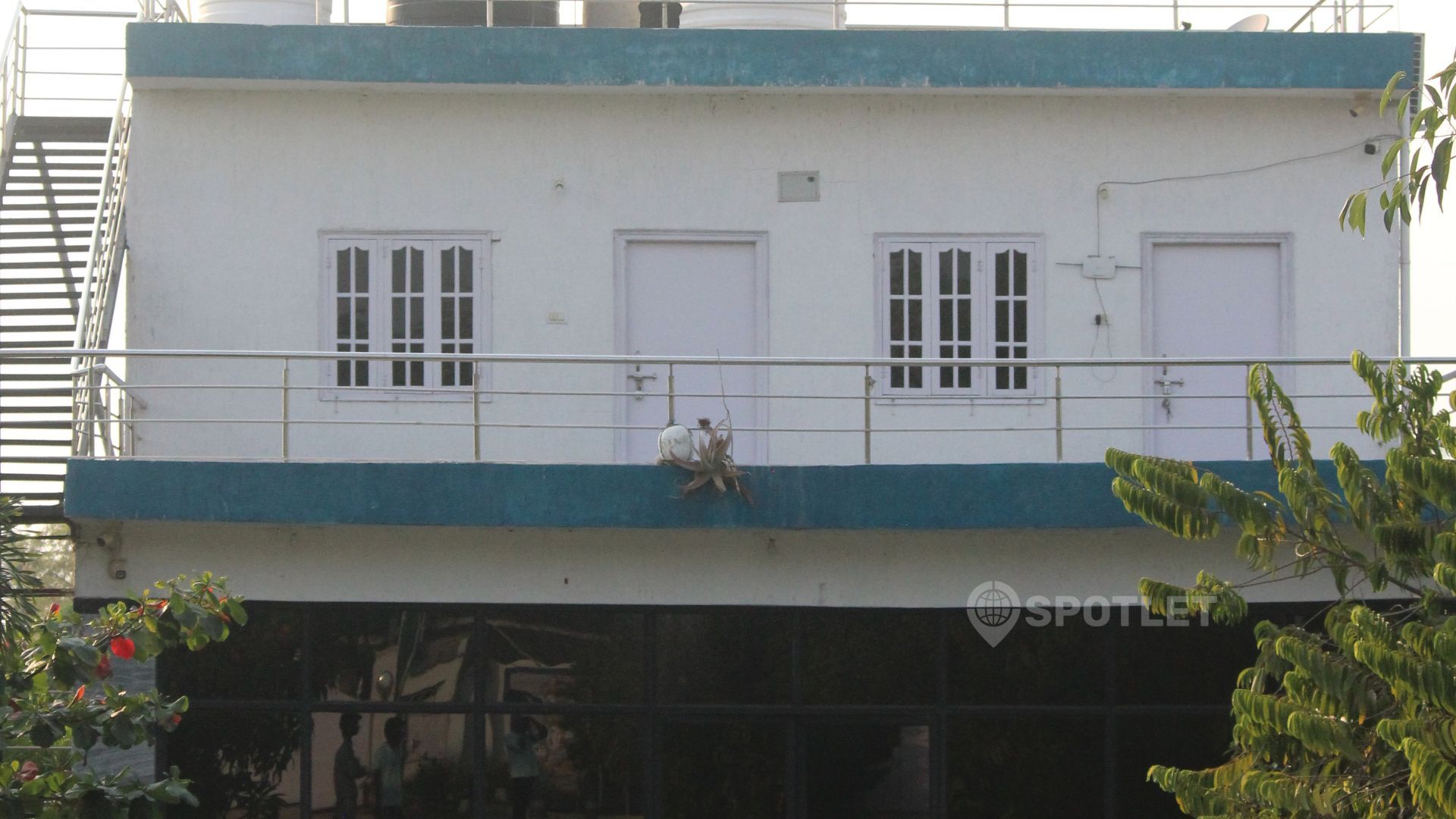
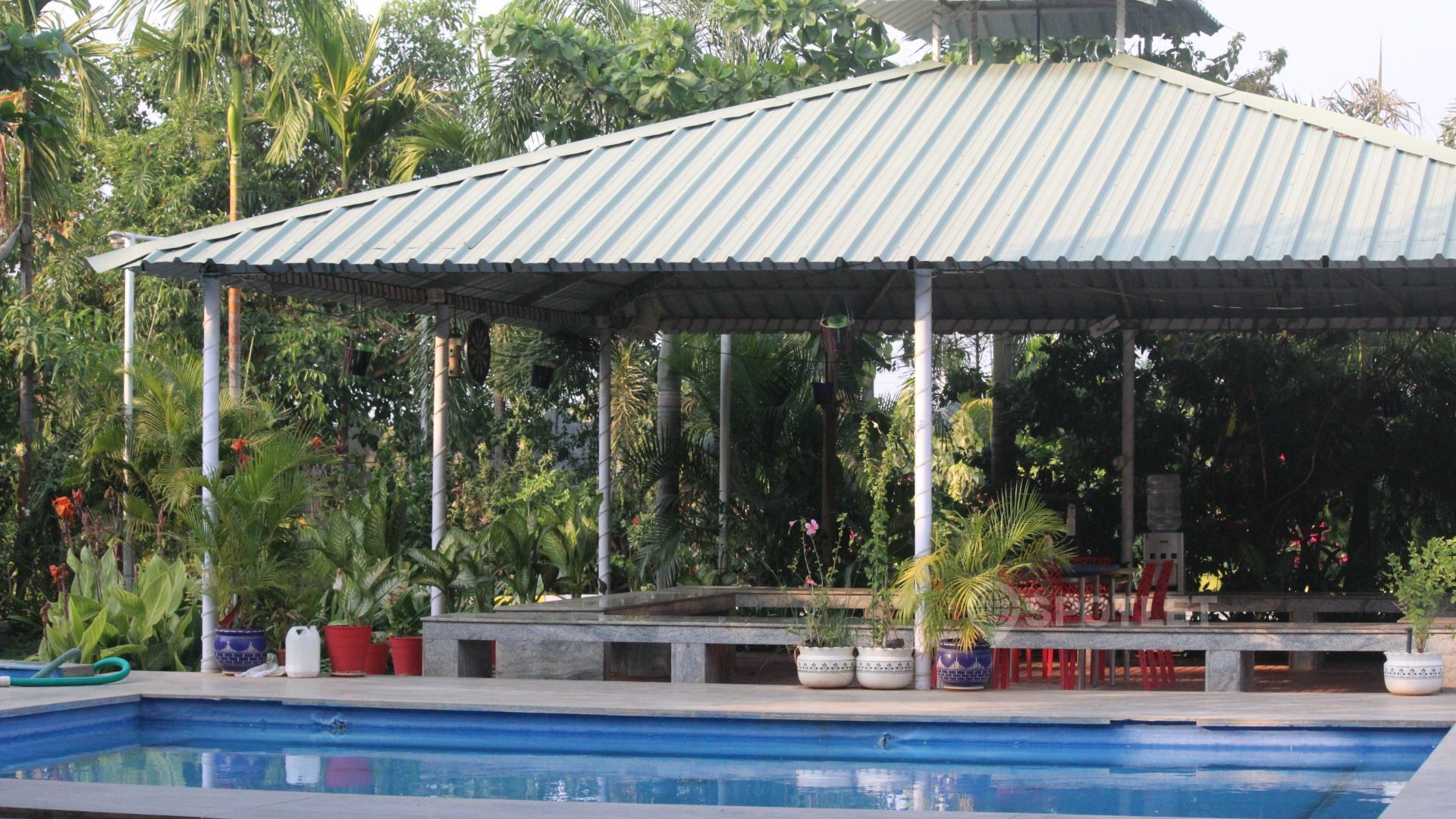
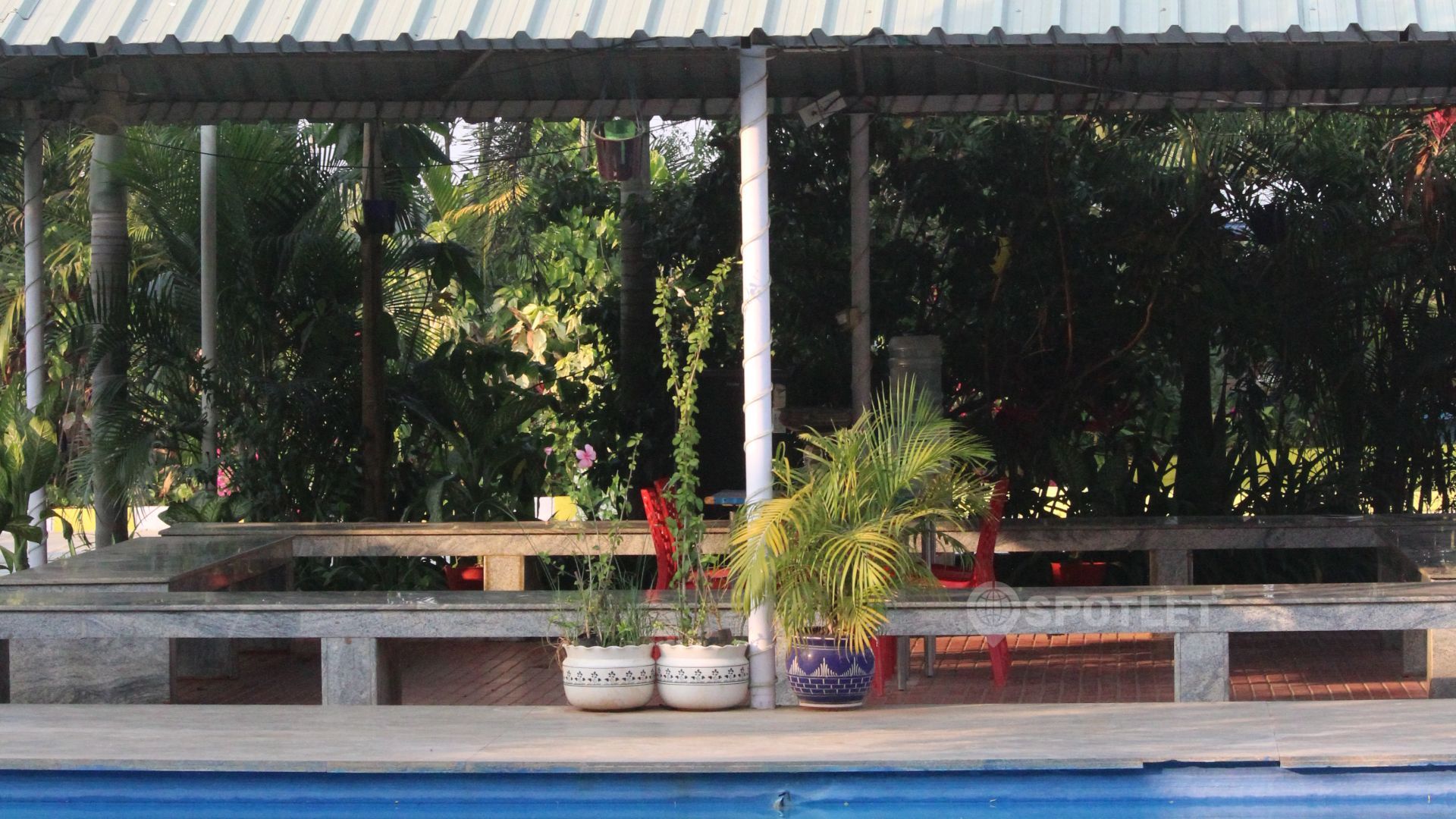
Function Hall
 2.235k
RIPPLEZ Events Space
Gandiguda, Hyderabad, Telangana Max. Cast & Crew allowed: 100Parking: 50 CarsFree Cancellation Until 5 Days
View Details
INR. /
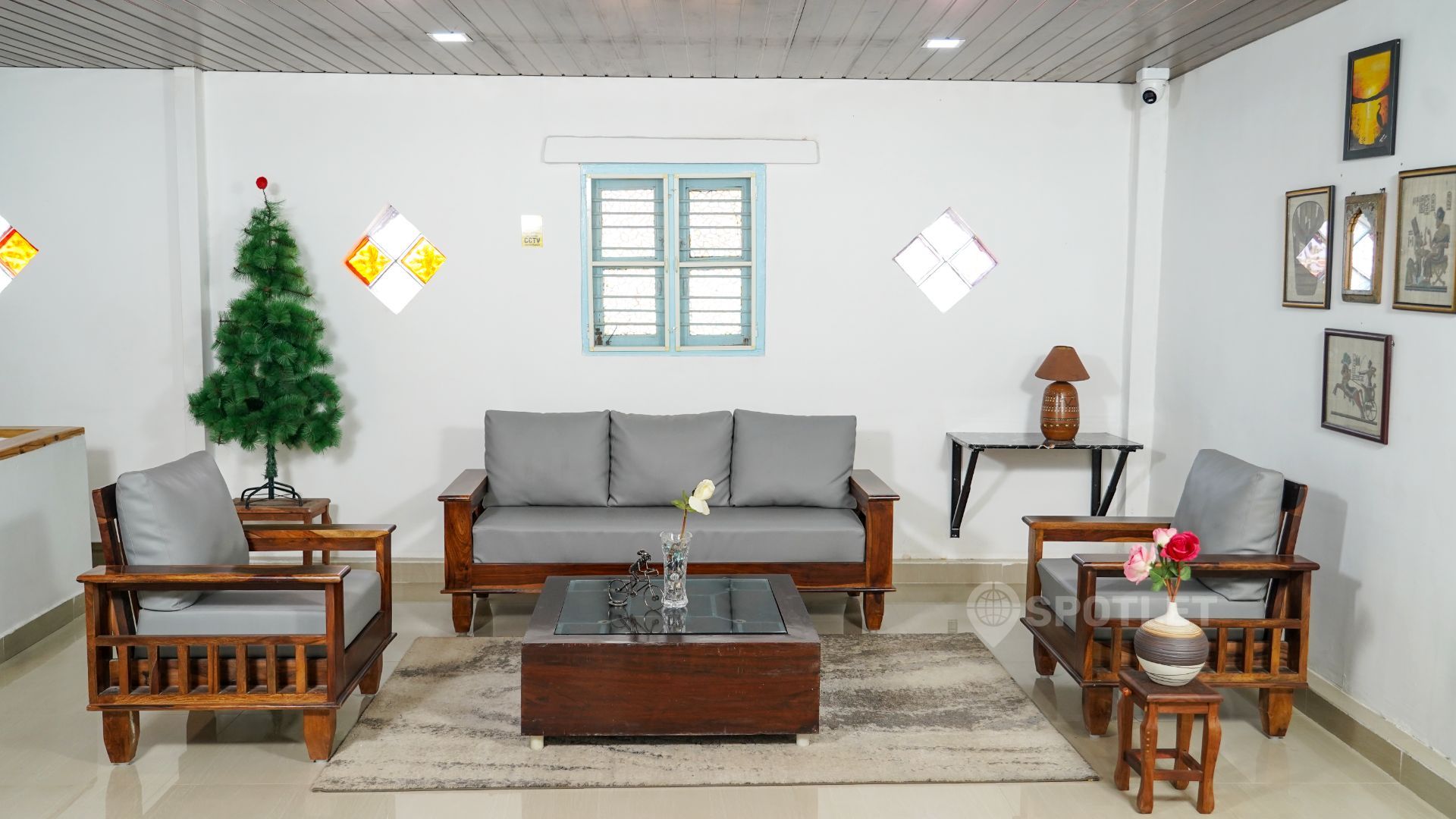
Guest House
3.396k Views
JNS FARMS
Malur, Bangarapet, KarnatakaCrew Capacity: 80
Parking: 30 CarsNo Refund Available INR. /
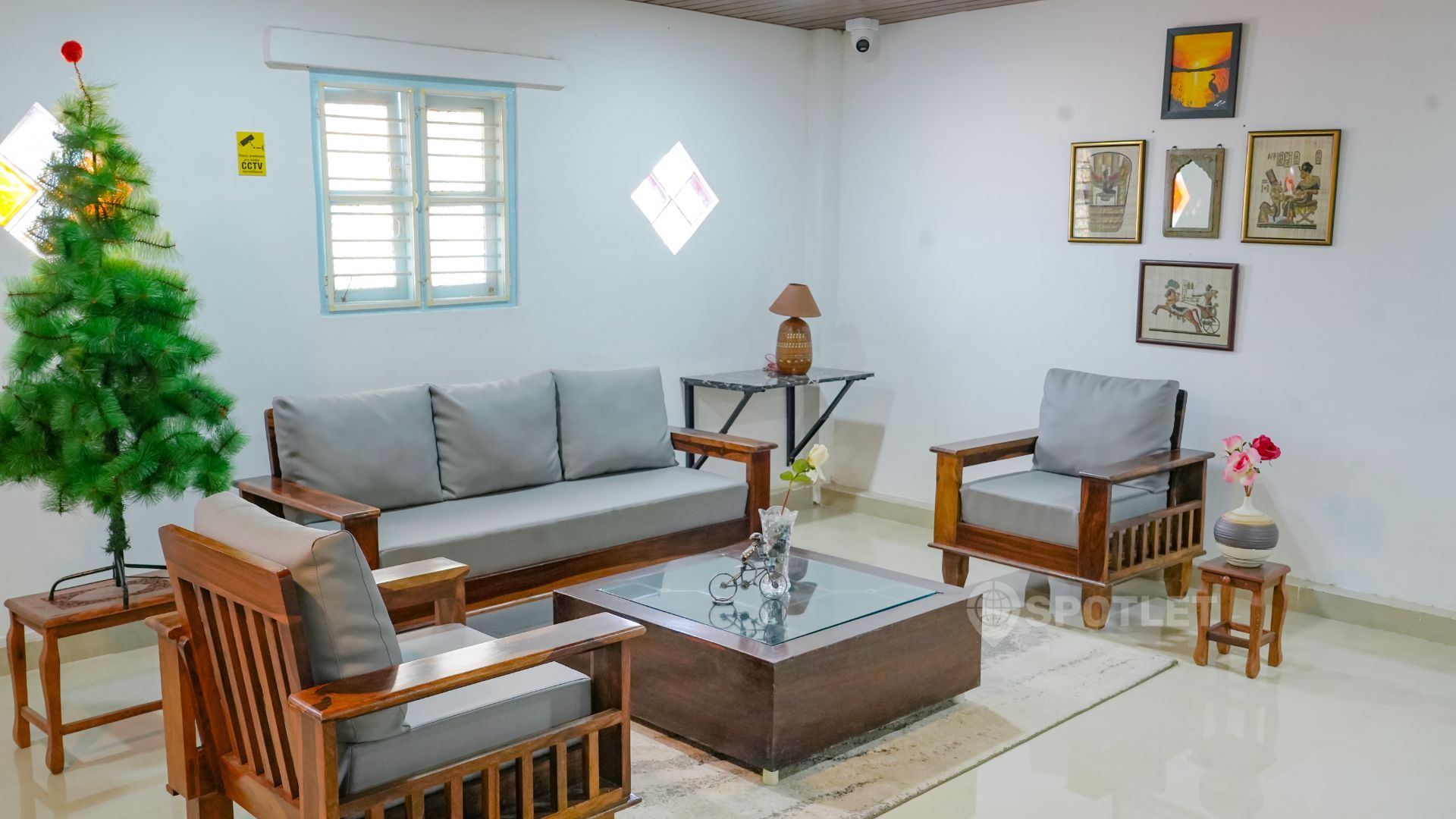
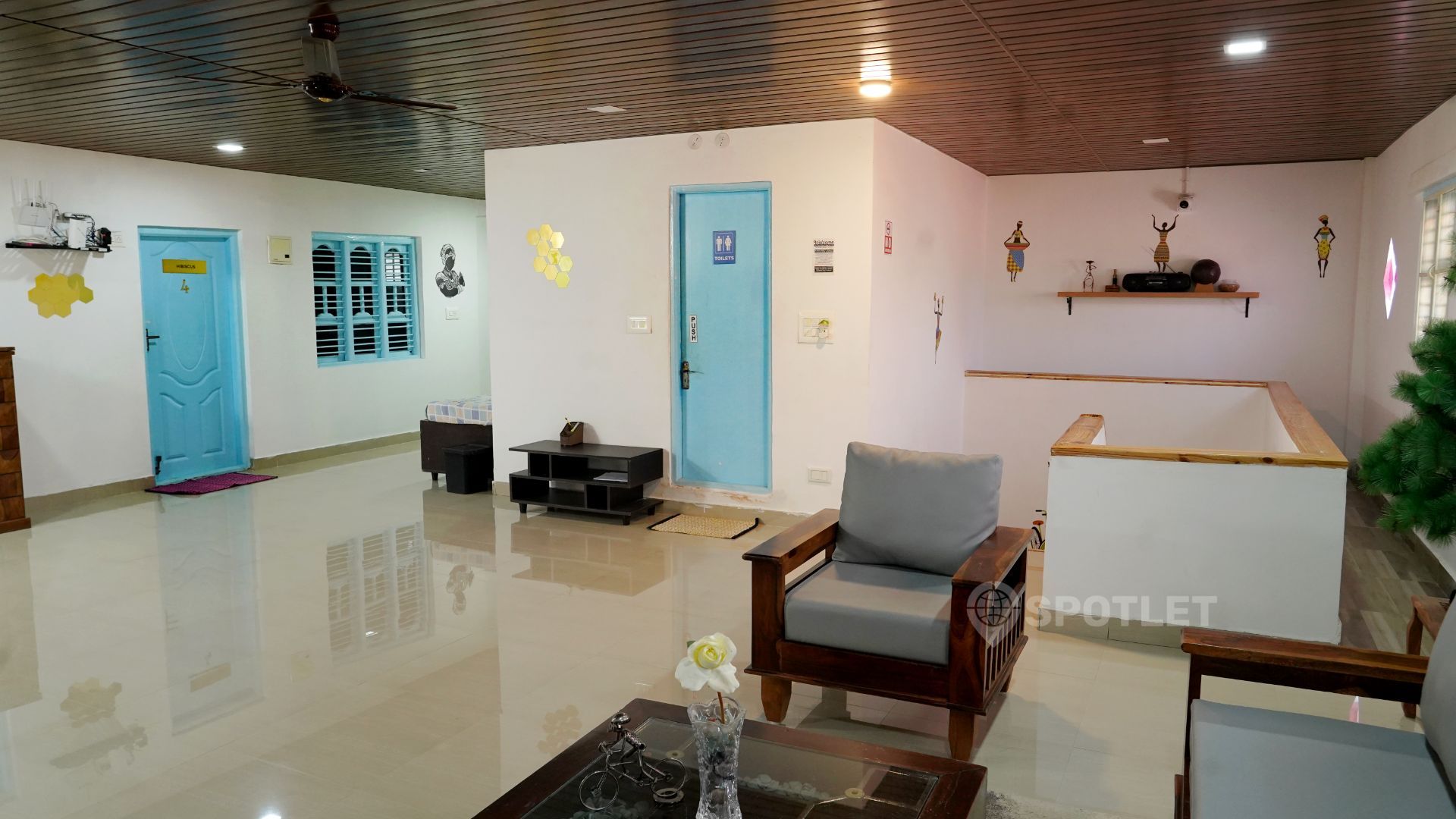
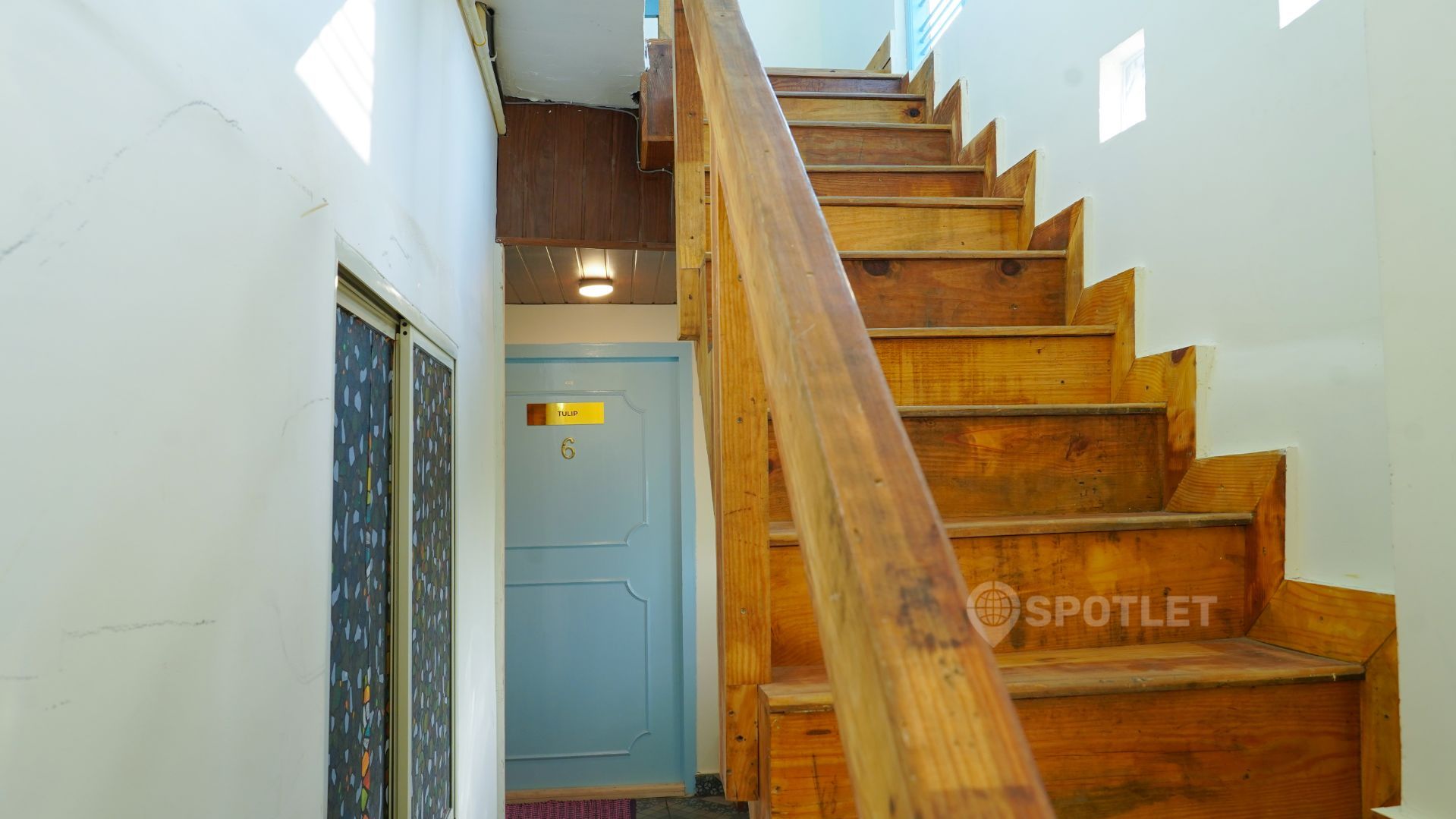
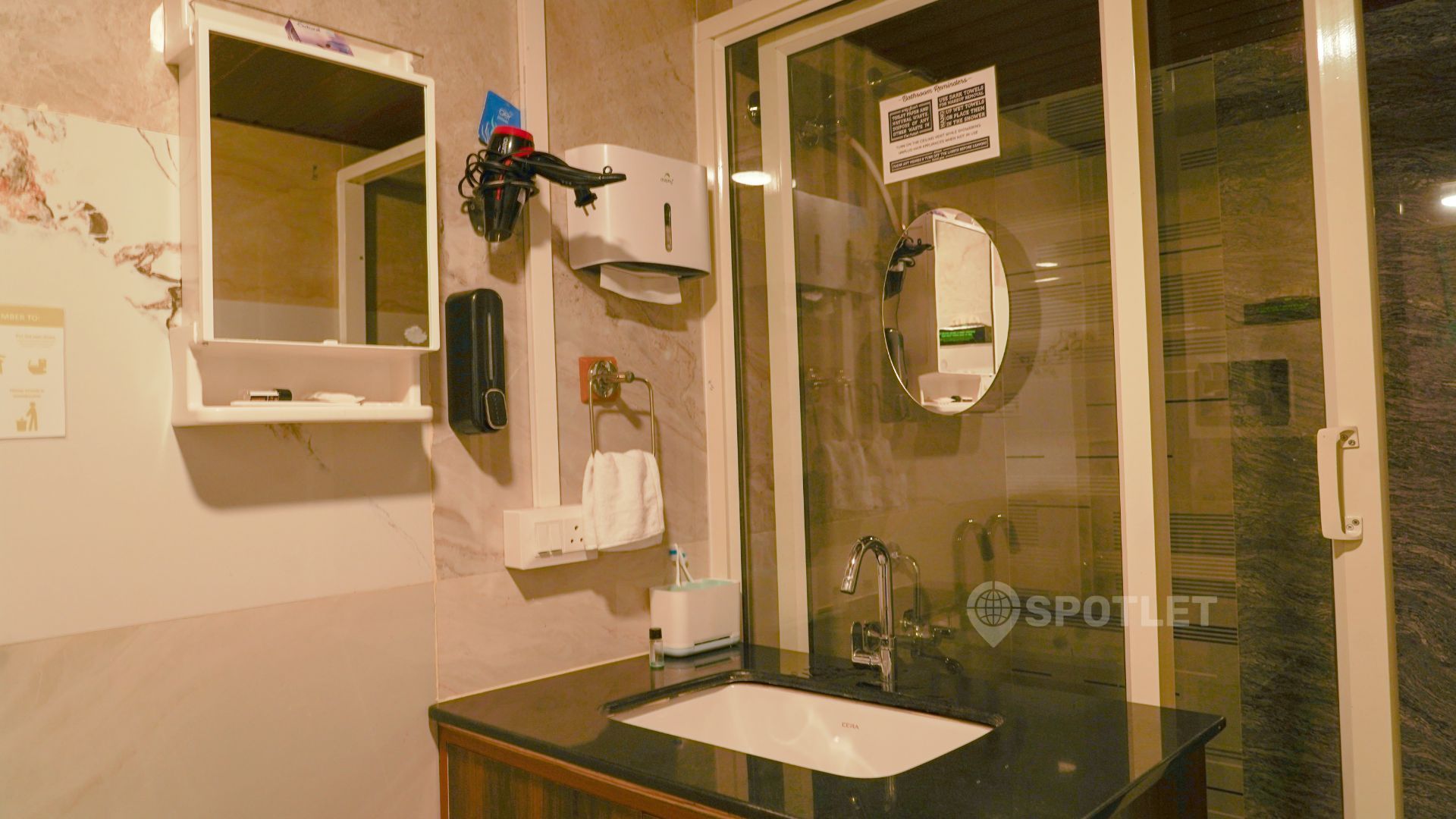
Guest House
3.396kJNS FARMS
Malur, Bangarapet, KarnatakaMax. Cast & Crew allowed: 80Parking: 30 CarsNo Refund AvailableView Details
INR. /
Kickboxing Studio
628 Views
Elevate Kick Boxing Studio
APSRTC Of..., Hyderabad, TelanganaCrew Capacity: 50
Parking: 10 CarsNo Refund Available INR. /
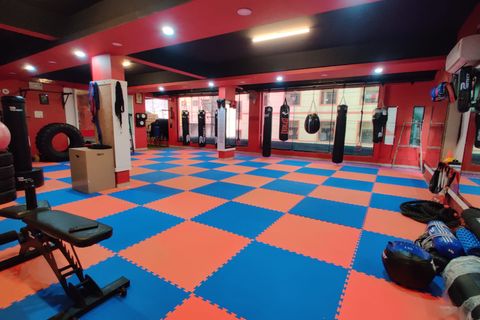
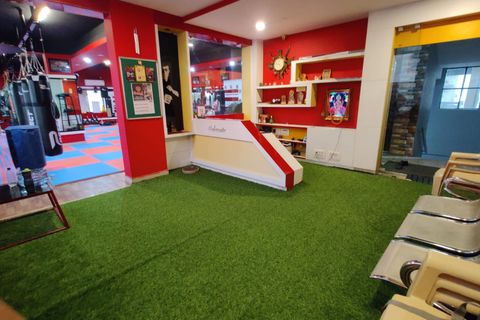
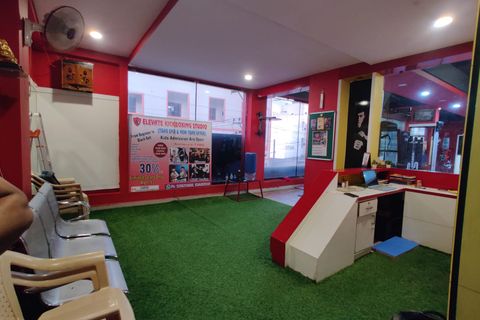
Kickboxing Studio
628Elevate Kick Boxing Studio
APSRTC Officers Col..., Hyderabad, TelanganaMax. Cast & Crew allowed: 50Parking: 10 CarsNo Refund AvailableView Details
INR. /
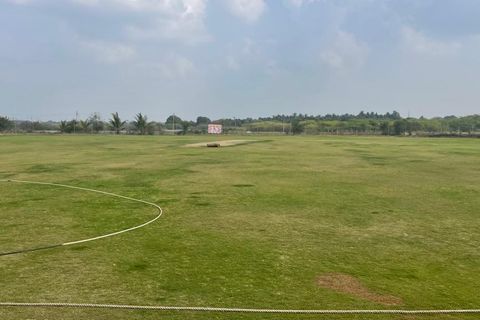
Cricket Ground
1.317k Views
Rahul Cricket Ground
Enakapall..., Hyderabad, TelanganaCrew Capacity: 50
Parking: 200 CarsNo Refund Available INR. /
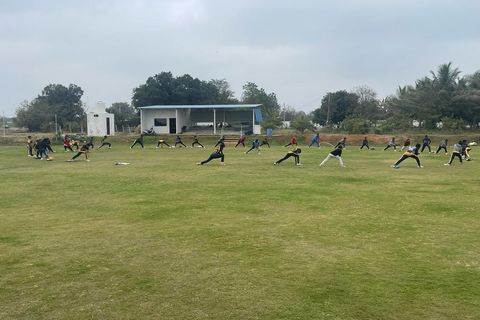
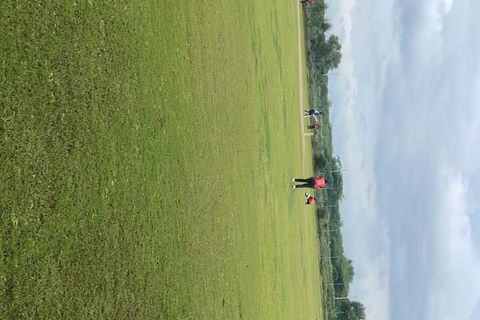
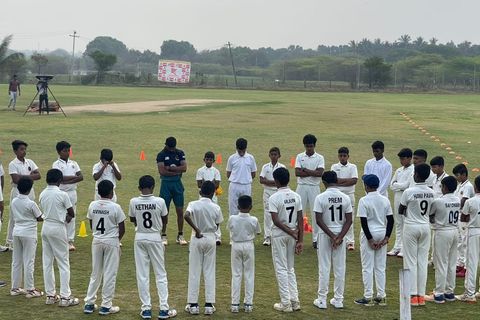
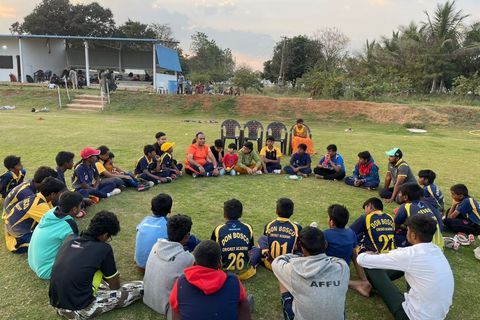
Cricket Ground
1.317kRahul Cricket Ground
Enakapalle, Hyderabad, TelanganaMax. Cast & Crew allowed: 50Parking: 200 CarsNo Refund AvailableView Details
INR. /
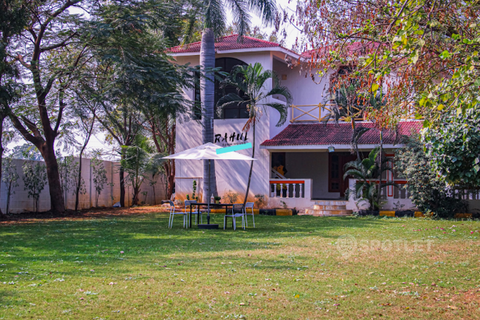
Farm House
1.667k Views
Rahul FarmHouse
Pragati, Y..., Moinabad, TelanganaCrew Capacity: 50
Parking: 20 CarsNo Refund Available INR. /
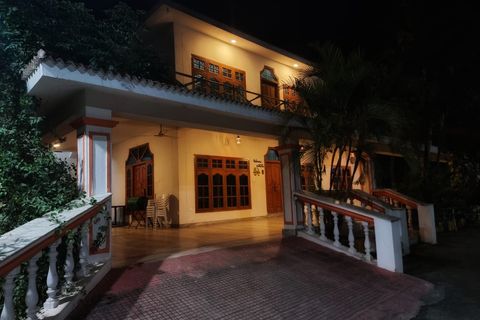
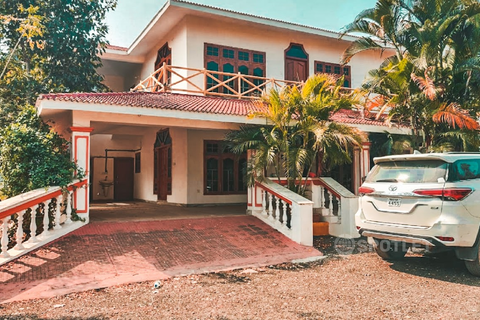
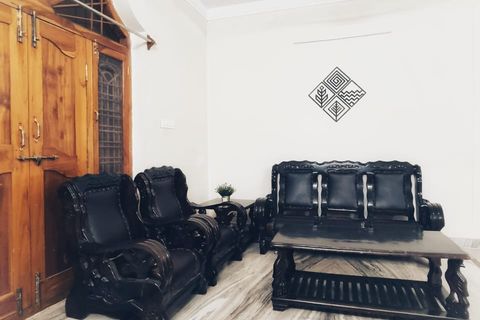
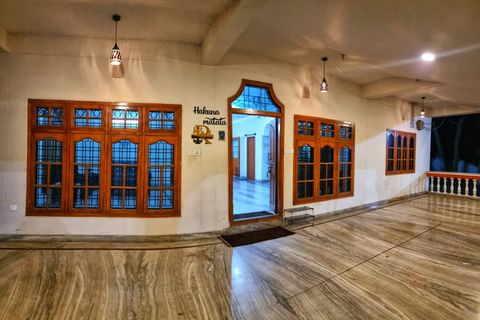
Farm House
1.667kRahul FarmHouse
Pragati, Yenkapalli ..., Moinabad, TelanganaMax. Cast & Crew allowed: 50Parking: 20 CarsNo Refund AvailableView Details
INR. /
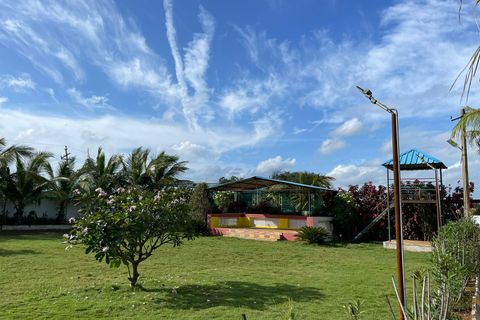
Resort
1.293k Views
Prince Resorts
Moinabad, Hyderabad, TelanganaCrew Capacity: 50
Parking: 11 CarsNo Refund Available INR. /
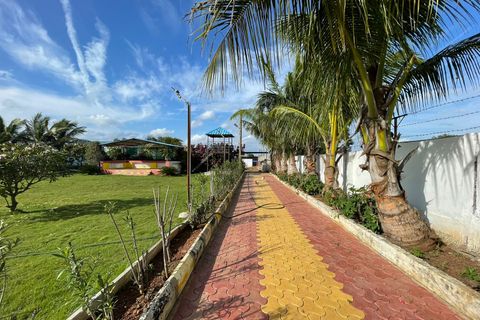
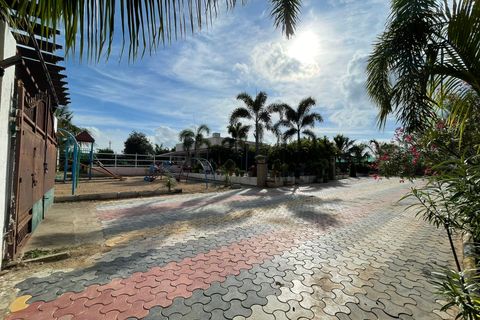
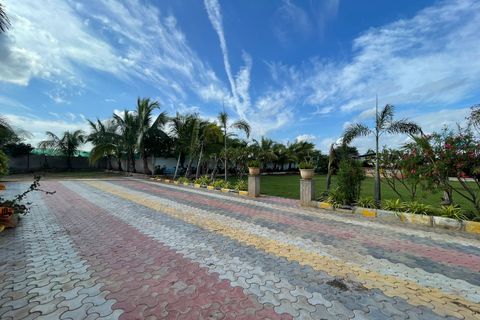
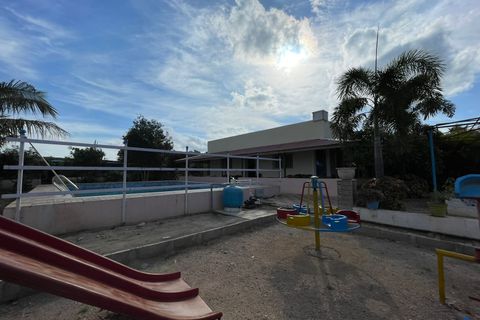
Resort
1.293kPrince Resorts
Moinabad, Hyderabad, TelanganaMax. Cast & Crew allowed: 50Parking: 11 CarsNo Refund AvailableView Details
INR. /
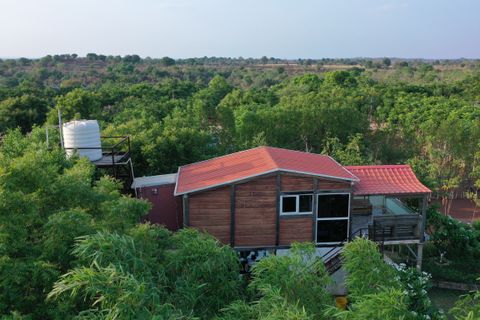
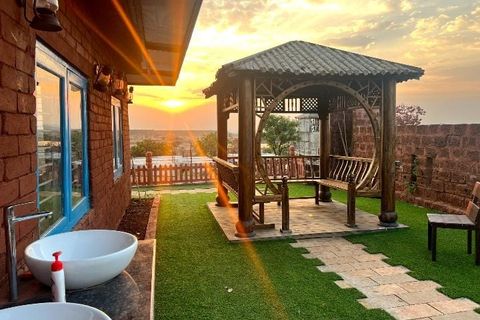
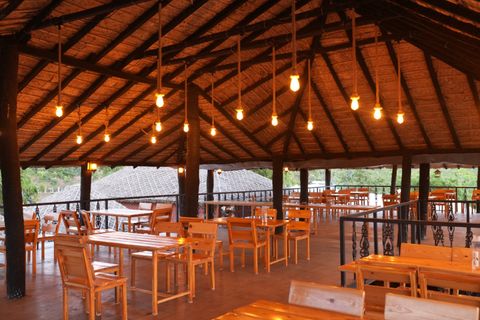
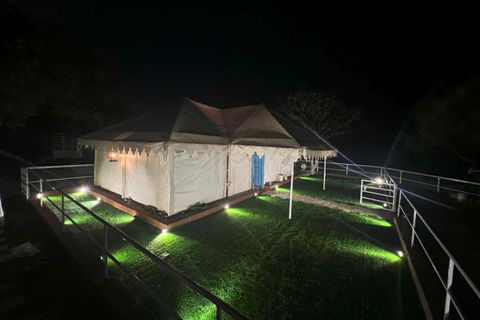
Resort
3.427k Views
Hillock
Vikarabad,..., Hyderabad, TelanganaCrew Capacity: 50
Parking: 30 CarsNo Refund Available INR. /
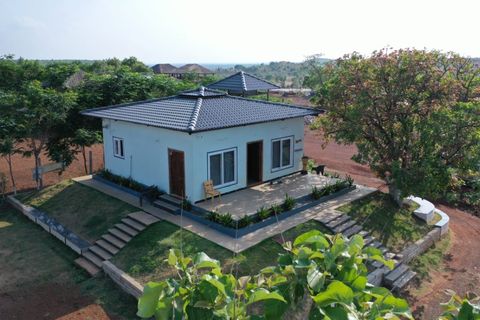
Resort
3.427kHillock
Vikarabad, Mominpet, Hyderabad, TelanganaMax. Cast & Crew allowed: 50Parking: 30 CarsNo Refund AvailableView Details
INR. /

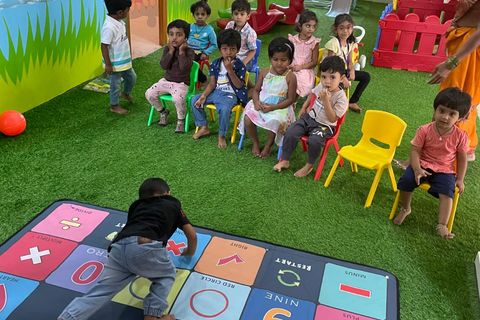
School
500 Views
Sharp Kids Pre-School
Venkatesw..., Hyderabad, TelanganaCrew Capacity: 30
No Refund Available INR. /


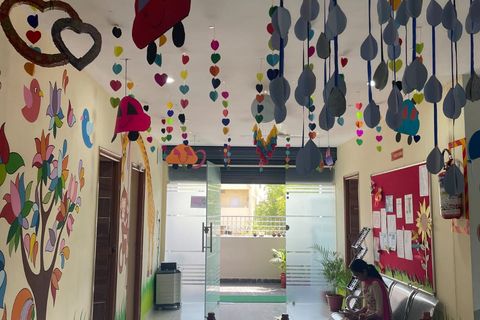
School
500Sharp Kids Pre-School
Venkateswara Colony..., Hyderabad, TelanganaMax. Cast & Crew allowed: 30No Refund AvailableView Details
INR. /
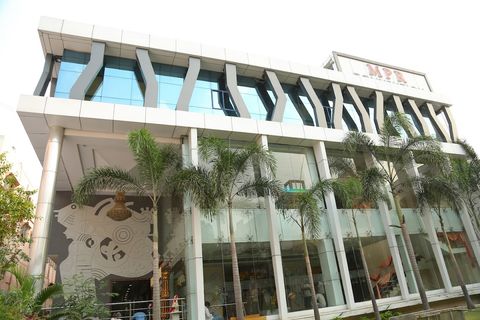
Convention Center
1.374k Views
MPR CONVENTION CENTER
Balanagar, Hyderabad, TelanganaCrew Capacity: 150
Parking: 100 CarsNo Refund Available INR. /
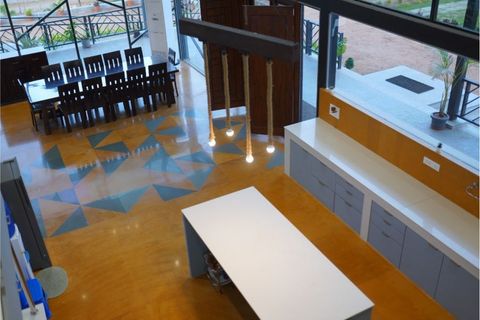
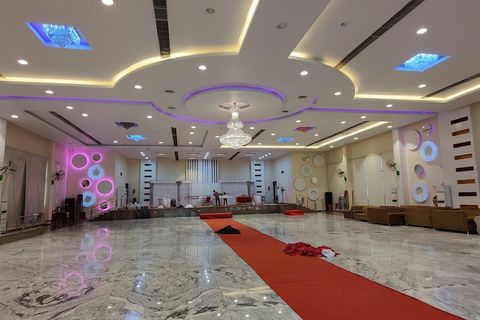
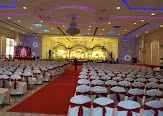
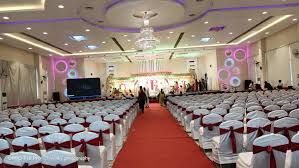
Convention Center
1.374kMPR CONVENTION CENTER
Balanagar, Hyderabad, TelanganaMax. Cast & Crew allowed: 150Parking: 100 CarsNo Refund AvailableView Details
INR. /
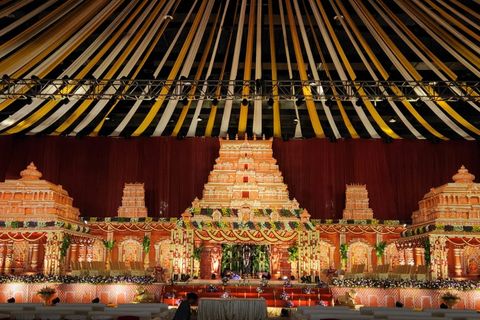
Convention Center
677 Views
BMR SARTHA CONVENTION CENTER
Manneguda, Hyderabad, TelanganaCrew Capacity: 7000
Parking: 200 CarsNo Refund Available INR. /
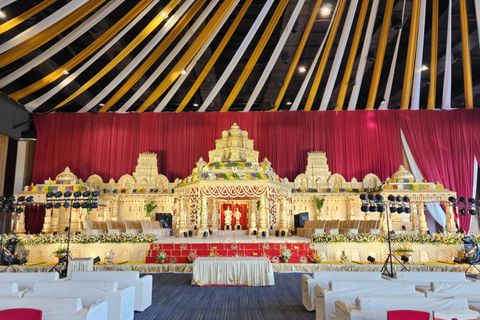
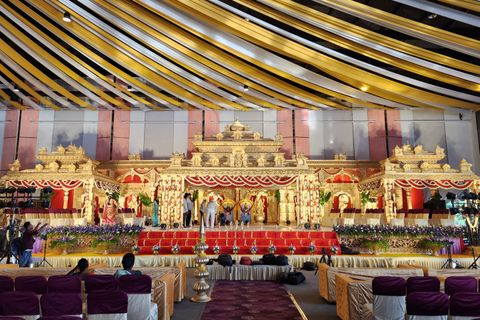
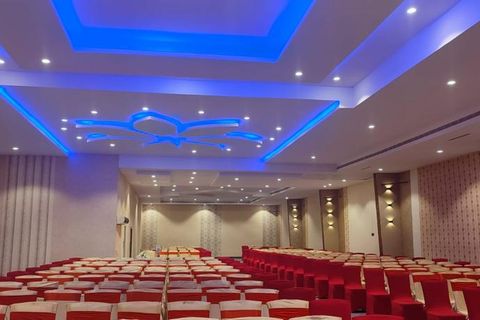
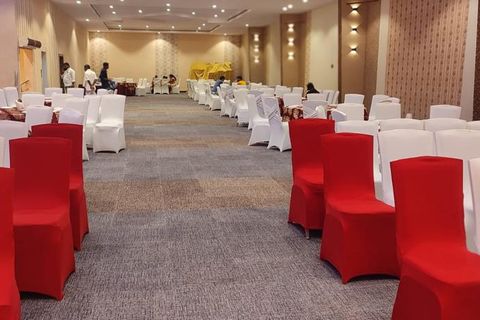
Convention Center
677BMR SARTHA CONVENTION CENTER
Manneguda, Hyderabad, TelanganaMax. Cast & Crew allowed: 7000Parking: 200 CarsNo Refund AvailableView Details
INR. /
Interview Shoot Venues: Best Practices for Powerful Storytelling in 2025
Introduction: Turning Conversations into Stories
An interview is much more than a recording of a conversation - it's a work of storytelling in the most direct sense. Interviews involve expressions, emotions, voices, and atmospheres, working together to communicate stories to and with audiences. Whether you are documenting the journey of a founder, chronicling client journeys, or interviewing an industry expert, a thoughtfully conducted interview video can elevate the authenticity and trust attached to your brand.
This is where the location comes in. A thoughtful choice of location, whether it's a studio with a minimalist feel, a loft with a trendy ambiance, or a location with a heritage feel, will change the interview from a conversation to a substantive experience. Whether the content creators capitalize on the story of the location, or leave it up to the studio when editing the content with natural sounds or ambient sound, there is real value to finding that place with curated space that speaks to the audience being served. With curated spaces presented through SpotLet, content creators can easily find a space where narrative can meet atmosphere for effect.
Why Interview Shoots Matter More in 2025
Today's consumers are searching for authentic, true-to-life stories! Interviews deliver authenticity, relatability, depth, and truth, which will make them a brand creator priority in 2025 for one primary reason:
- Real Stories in Real Time: Real Voices and Uncensored Real Conversations have a greater emotional bond.
- Multiple Content Formats: One shoot can yield social media video clips, ads, and long-form marketing formats.
- Trust and Authenticity Mean Something: Real conversations that invite viewers into a person's life and perspective often carry more weight than the most carefully written script.
- Comprehension and Retention / Attention: Audiences understand and pay attention to content in a much deeper way — even when it was created on the spot or unplanned — when the interview feels organic, real, personal and visual, and the interviewee is truly invested in sharing their perspective.
In conclusion, an interview is an important marketing tool, but, more importantly, it is an authentic ways to establish trust with actual impressions.
Step-by-Step Guide to Flawless Interview Shoots
1. Preparation with Purpose
The overall success of any interview is in the preparation.
The overall success of any interview is in the preparation.
- Send the interviewee a checklist ahead of time (suitable colors, basic dos and don'ts, comfort suggestions).
- Ask open-ended questions to encourage storytelling instead of answering simple "yes/no" questions.
- Begin with light questions and conversational hooks to get the subject settled into the groove.
When the subject is well-prepared and relaxed, you will see more genuine moments, and heightened engagement.
2. Location: The Hidden Hero
The location is equally important as the script. The right location sets a tone of mood and ambience.
The location is equally important as the script. The right location sets a tone of mood and ambience.
- You may want a quiet studio for a professional and polished conversation.
- A loft with natural character allows you to add depth, improving lifestyle value.
- A sleeker office or boardroom communicate authority and professionalism.
The backdrop should complement, not distract, your subject. Adding some muted props (books, plants, brand colored), adds depth and context to the surrounding but does not clutter it.
3. Lighting & Camera Setup for Visual Impact
Lighting has a critical influence on how your audience interprets the story.
Lighting has a critical influence on how your audience interprets the story.
- You can be more deliberate in the arrangement of lighting, using three-point lighting (key, fill, backlight) or a more diffuse, natural light to help soften your look and offer a more cinematic aesthetic.
- Framing for performance can be more general—think left/right framing or center framing depending on mood/tone.
- Keep an eye on headspace on either side of the dash line and headspace direction of gaze to ensure a natural direction of viewing flow.
You can dramatically influence the level of production value simply by adjusting framing and lighting.
4. Audio: The Unsung Hero of Interviews
The only thing worse than poor visuals is poor sound. Confidently assume sound is a priority because even the best visuals can usually be ruined with the inclusion of bad sound.
The only thing worse than poor visuals is poor sound. Confidently assume sound is a priority because even the best visuals can usually be ruined with the inclusion of bad sound.
- You can capture vocal output to be as crisp and clear as possible, using lavalier or boom microphones.
- Capture room tone to use in editing to help enforce your pacing and flow while also aiding in transitions of sections of the video.
- To make sure you capture the best sound, you want to give live audio feedback for unwanted sound suppression. This is usually most significant on exterior or semi- exterior venues.
You will want your audio to provide clarity about your subject's message (not unwanted sound).
5. Capture Variety for Editing Flexibility
Static shots dampen the engagement. Maintain a dynamic edit by shooting perspectives.
Static shots dampen the engagement. Maintain a dynamic edit by shooting perspectives.
- Capture, at least, a two-camera angle film- one is the wide shot of the scene and two is the close-up of the subject.
- Keep shooting once the official questions are over- smiles and off-script dialogue often become the most memorable piece of video content.
- Shoot B-roll: shots of the subject working, walking, and engaging with their surroundings. The B-roll helps provide story context, and we can often avoid choppy edits.
6. Editing: Shaping the Story
Editing is more than trimming film, it is sculpting emotion.
Editing is more than trimming film, it is sculpting emotion.
- Use the strongest soundbites with B-roll to maintain pacing.
- Create ebbs and flows of rhythm and emotion, so specific details build into generalized messages.
- Be authentic, as opposed to perfect; a laugh, pause, or discomfort can layer and pack more punch than polished lines.
Real Insights: Lessons from the Field
A seasoned video editor would say, "The actual laction helps build the story, just as much as lighting, sound, or audio." A comfortable couch might elicit a relaxed person; a formal boardroom may create authority. Creators working in spaces like, "SpotLet" recognize over and over that the right place to film does not just look good, it makes people feel good and, therefore, camera ready and provides natural and impactful interviews.
Why SpotLet Is the Game-Changer for Interview Venues
Interviews tend to thrive in beautiful settings that complement the story we are trying to tell. SpotLet makes this possible by giving creators access to settings that offer the environment.
- Elevate Visual Appeal: You can choose from industrial lofts, palatial heritage homes, sleek studio spaces, or contemporary workplaces—anything that offers a cinematic appeal.
- Simplify Logistics: Verified listings, pricing, and rapid bookings provide your producer with time savings.
- Enhance Emotional Tone: The best spaces can change or evoke a mood. A polished workplace, creative studio, or comfortable home, it all matters!
When a storyteller books with SpotLet, they are not just booking a space but creating an atmosphere that only enhances what they can do with their interviews.
FAQs on Interview Shooting Venues
Q1. How early should I book a venue?
Preferably, 1–2 weeks in advance. If it is a metro location with high demand, 2–3 weeks ahead.
Preferably, 1–2 weeks in advance. If it is a metro location with high demand, 2–3 weeks ahead.
Q2. What types of venues on SpotLet work best for interviews?
Studios, offices, co-work spaces, lounges, outdoor garden, and heritage properties.
Studios, offices, co-work spaces, lounges, outdoor garden, and heritage properties.
Q3. Do costs vary between metro and smaller towns?
Yes. Generally, metro venues will be a higher price than a smaller town.
Yes. Generally, metro venues will be a higher price than a smaller town.
Q4. Can these venues support podcasts or audio-only interviews?
Yes, most venues have some flexibility for video and audio formats.
Yes, most venues have some flexibility for video and audio formats.
Q5. Do venues provide equipment or crew?
It is typically location only. Some provide optional gear or crew services, but you can always bring your own equipment and/or crew.
It is typically location only. Some provide optional gear or crew services, but you can always bring your own equipment and/or crew.